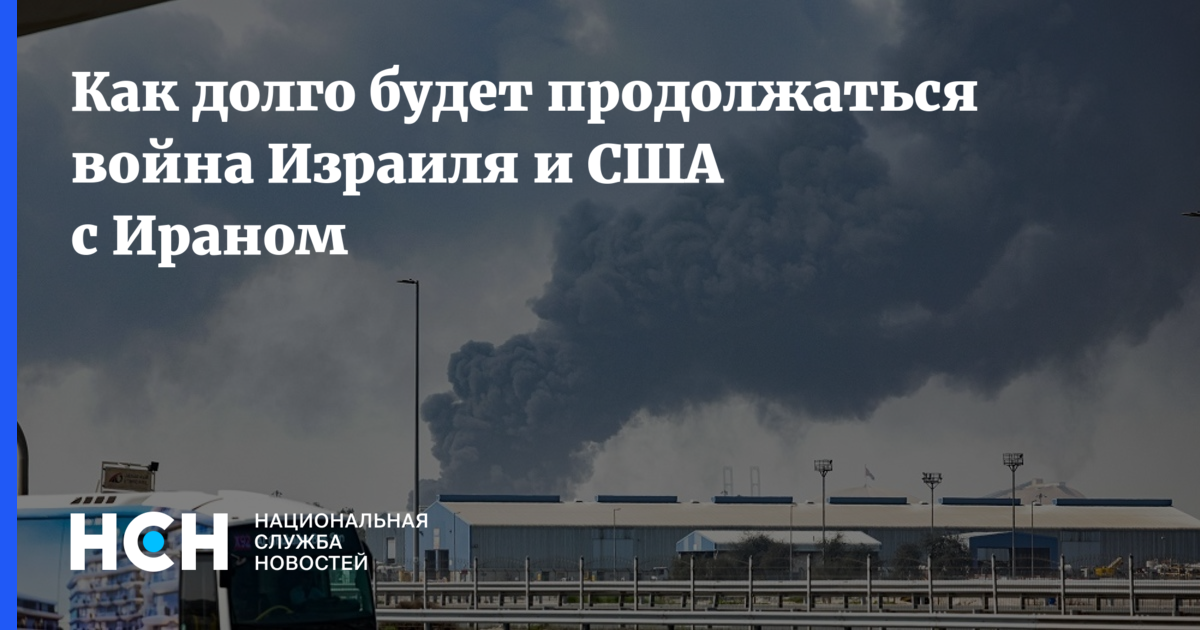
Israel's Pre-Emptive Strikes: Unpacking the Hezbollah Targets Hit Before a Potential Iran-Israel Attack
In a region perpetually teetering on the brink of wider conflict, every military maneuver carries immense strategic weight. Recent reports detailing Israeli strikes against Hezbollah targets in southern Lebanon have drawn significant attention, particularly as they reportedly occurred just prior to a broader engagement involving Iran. These pre-emptive actions by Israel's Defense Forces (IDF) are not isolated incidents but rather critical pieces in a complex geopolitical puzzle, aimed at shaping the battlefield and deterring a multi-front escalation amidst the persistent threat of an Iran Israel attack.
The timing and nature of these strikes offer a crucial window into Israel's defensive and offensive strategies. Understanding the targets, the rationale, and the broader context of these operations is essential for grasping the volatile dynamics between Israel, Hezbollah, and their patron, Iran.
The Calculated Maneuver: Deconstructing Israel's Pre-Iran Strikes
According to statements from the Israeli army, a series of precision strikes were conducted against Hezbollah infrastructure in southern Lebanon. These operations were specifically aimed at degrading the capabilities of the Iranian-backed militant group, hitting assets deemed critical to their operational capacity. The official reports highlighted the successful targeting of several key installations:
- Rocket Launchers: These are among Hezbollah's primary offensive weapons, posing an immediate threat to Israeli civilian centers and military installations. Neutralizing them reduces the group's ability to respond effectively to any broader regional events.
- Underground Shafts: Often used for storing weaponry, housing command centers, facilitating troop movement, and providing protection from aerial surveillance and strikes, these subterranean networks represent a significant part of Hezbollah's resilient infrastructure. Their destruction severely hampers the group's long-term operational sustainability.
The timing of these strikes—"shortly before the attack on Iran"—is paramount. It strongly suggests a strategic effort by Israel to secure its northern border, minimize the potential for a simultaneous attack from Hezbollah, and create more favorable conditions should a direct Iran Israel attack scenario unfold. This kind of pre-emptive action is a hallmark of Israel's defense doctrine, focusing on disrupting enemy capabilities before they can be fully deployed.
Understanding Hezbollah's Strategic Infrastructure and Iran's Hand
Hezbollah, often described as Iran's most formidable non-state proxy, has meticulously built an extensive military infrastructure in Lebanon over decades. This includes not only conventional rocket and missile capabilities but also advanced drone technology, anti-tank missiles, and a deeply entrenched network of fortified positions, particularly in southern Lebanon, close to the Israeli border.
Iran plays a pivotal role in equipping, training, and funding Hezbollah, viewing the group as a critical component of its regional deterrence strategy and a forward operating base against Israel. The rocket launchers targeted are often part of a vast arsenal supplied by Iran, including precision-guided munitions that pose an even greater threat. The underground shafts are critical for shielding these assets and personnel from Israeli intelligence and airstrikes, making their destruction a significant operational achievement for the IDF. These strikes underscore the ongoing shadow war where Israel aims to degrade Iranian influence and proxy capabilities without necessarily triggering an all-out war.
The Broader Context: Escalation and the Persistent Threat of an Iran Israel Attack
The specific strikes on Hezbollah must be viewed within the larger framework of escalating tensions between Israel and Iran. This rivalry, often dubbed a "shadow war," spans multiple arenas, from cyber warfare and assassinations to proxy conflicts across the Middle East. The potential for a direct Iran Israel attack has been a perennial concern, punctuated by a series of events that consistently raise regional alert levels.
Israel's actions in Lebanon illustrate a strategic imperative to manage potential threats from all fronts. If Israel anticipates a direct confrontation with Iran, neutralizing Hezbollah's immediate threat capacity in the north becomes a critical preparatory step. This prevents Iran from activating its proxy to open a second major front, thereby complicating Israel's defense efforts and diverting resources. The reports hinting at a broader "War in Iran: what is known by this hour" highlight the widespread concern and the meticulous analysis undertaken by regional and international observers to understand the potential scope and implications of any direct confrontation.
Analyzing Israel's Deterrence Strategy in a Volatile Region
Israel's defense doctrine is heavily reliant on maintaining a qualitative military edge and employing a strategy of deterrence. The strikes on Hezbollah are a clear manifestation of this doctrine, serving multiple purposes:
- Degradation: Directly diminishing Hezbollah's military capabilities, particularly its rocket arsenal and hardened infrastructure.
- Deterrence: Sending a clear message to Hezbollah and Iran that any aggression or attempt to open a second front will be met with swift and decisive action, incurring significant costs.
- Signaling: Demonstrating Israel's readiness and resolve to act unilaterally to protect its security interests, even in anticipation of a larger conflict.
- Pre-emption: Disrupting planned attacks or preventing the deployment of threatening weapons systems before they can be used effectively.
These actions are part of what Israel refers to as the "campaign between wars" (CBW), a continuous effort to weaken adversaries and improve strategic positioning through targeted operations without initiating full-scale warfare. This delicate balance requires sophisticated intelligence gathering and precise execution, as miscalculations can easily lead to unintended escalation.
For observers, understanding these nuanced strategies is crucial. It's not merely about the military hardware, but the strategic chess moves employed by nations to protect their interests in a highly unstable environment. For businesses and international bodies, tracking these developments is key to assessing geopolitical risks and informing policy decisions regarding regional stability and supply chains.
Implications for Regional Stability and the Path Forward
The Israeli strikes on Hezbollah targets, particularly given their timing relative to a potential Iran Israel attack, carry significant implications for regional stability. While Israel views these actions as necessary for its security, they inherently raise the risk of reprisal and escalation. Hezbollah, backed by Iran, often vows to respond to such attacks, although the nature and timing of any response are carefully weighed to avoid an all-out war that could devastate Lebanon.
The international community, including key players like the United States, closely monitors these developments. The U.S. has historically played a role in de-escalation efforts, emphasizing diplomatic solutions while also supporting Israel's security needs. The potential for U.S. involvement, as hinted by headlines like "US attacks Iran" in a broader news context (even if referring to a hypothetical or analytical discussion), underscores the global ramifications of any direct Israel-Iran conflict. Such a conflict would undoubtedly impact global energy markets, international trade routes, and broader security architectures.
Looking ahead, the region remains highly volatile. The strategic calculations of all parties involved—Israel, Hezbollah, Iran, and their respective allies and patrons—will continue to dictate the trajectory of conflict and peace. Vigilance, informed analysis, and a deep understanding of historical grievances and current geopolitical pressures are essential for navigating this complex landscape. The actions taken today, such as these pre-emptive strikes, shape the battlefields of tomorrow and highlight the continuous struggle to maintain a precarious balance of power.
The precision and timing of Israel's strikes on Hezbollah targets reveal a sophisticated strategy aimed at pre-empting and mitigating threats in a volatile region. Occurring just before the specter of a direct Iran Israel attack, these operations underscore Israel's commitment to securing its borders and degrading proxy capabilities. While effective in the short term, such actions are inherently fraught with the risk of escalation, demanding constant vigilance and strategic foresight from all parties involved. The implications reverberate far beyond the immediate battlegrounds, influencing regional stability and international relations for years to come.